
MEET OUR PROGRAM DIRECTOR
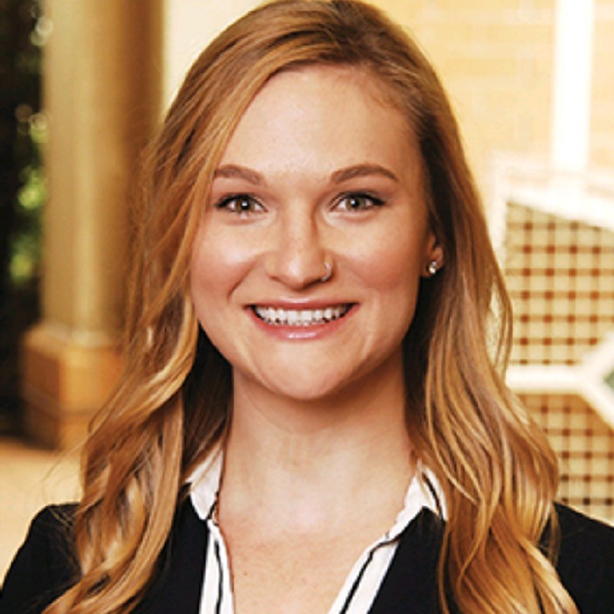
Elizabeth Masterson, MD FASAM
Addiction Medicine Fellowship Program Director, Assistant Professor
Dr. Elizabeth Masterson is board-certified in Family Medicine and Addiction Medicine and serves as the Program Director for the Addiction Medicine Fellowship Program where she provides comprehensive care with an emphasis on addiction treatment.
Dr. Masterson received her medical degree from Central Michigan University College of Medicine and completed her Family Medicine residency at the Medical College of Wisconsin – Columbia St. Mary’s, where she served as Chief Resident and completed an Advanced Maternity Track. She subsequently achieved certification in Addiction Medicine through the American Board of Preventive Medicine via the practice pathway, completing more than 3,000 hours of clinical training in the diagnosis and management of substance use disorders.
Her clinical expertise includes assessment and management of intoxication and withdrawal, medication-assisted treatment for opioid, alcohol, and stimulant use disorders, and integration of behavioral health approaches such as motivational interviewing and brief intervention into longitudinal patient care.
Dr. Masterson is actively engaged in medical education and has served as a preceptor for third-year medical students at the Medical College of Wisconsin, supervising clinical encounters and teaching core topics in family and addiction medicine. She has contributed to curriculum development in areas including difficult conversations in medicine, harm reduction in opioid use disorder, and chronic pain management with buprenorphine.
Her scholarly and leadership experiences include multiple quality improvement projects in chronic disease management and cancer screening, presentations on addiction medicine and behavioral health, and service on residency committees focused on academic scholarship, wellness, and curriculum development.
Dr. Masterson’s professional interests include addiction medicine, behavioral health integration, prenatal and obstetric care, chronic pain, and family planning. She is a member of the American Society of Addiction Medicine, American Academy of Family Physicians, American College of Obstetricians and Gynecologists, and the Gold Humanism Honor Society.
OUR FACULTY
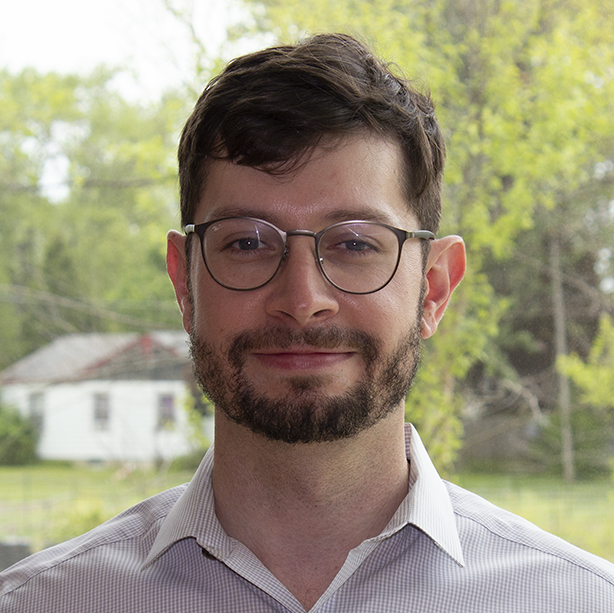
Bryan Johnston MD, FASAM
Associate Program Director
I am an Assistant Professor at the Department of Family & Community Medicine. I am passionate about addressing health inequality, partnering across institutions and with community partners to develop innovative programming, and educating and building capacity to generate health equity. In particular, I have focused on developing capacity for addiction treatment and primary care both at home and abroad.
I am board-certified in both Family Medicine and Addiction Medicine. I started an office-based opioid treatment (OBOT) program at the All Saints Family Medicine Residency Program clinic and helped start a buprenorphine program at St. Joseph’s Hospital. Prior to my efforts, little to no addiction treatment was occurring at either facility. Now, all residents and faculty have undergone DEA-X waiver training (when it was required) and addiction treatment is a significant part of our programs. I have engaged hundreds of medical students, residents and attending physicians in didactic and clinical training in the treatment of substance use disorders.
In Kampala, Uganda, I have developed and supported a buprenorphine treatment program at HIV treatment drop-in centers. In this project, local clinicians and psychosocial support officers were trained in MOUD care utilizing buprenorphine, and supported in a highly successful effort to treat patients in a low-threshold community-based, and harm-reduction-focused program. I have also worked to support the development of Family Medicine training programs in Zambia and Tanzania.
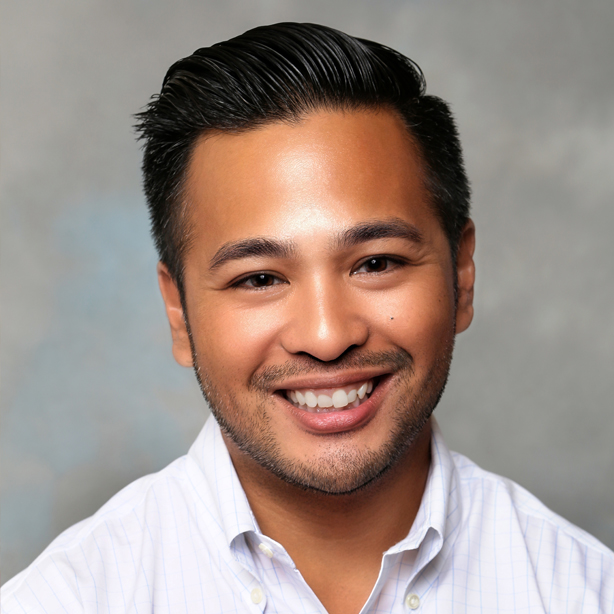
David Songco, PsyD LP CGP FAGPA
Faculty
Dr. David Songco is an Assistant Professor at the Medical College of Wisconsin in the Department of Family and Community Medicine and the Department of Psychiatry and Behavioral Medicine. Dr. Songco oversees Psychology Training and Collaborative Care at the Froedtert Forest Home Health Center while serving on the Addiction Medicine Fellowship Faculty.
Dr. Songco received his Doctoral degree in Clinical Psychology with a Health Psychology concentration from The Chicago School of Professional Psychology in Chicago, Illinois. Dr. Songco completed a Psychoanalytic Teaching Fellowship with the American Psychoanalytic Association Teachers Academy and Advanced Training through the Association of Contextual Behavioral Sciences. He is credentialed with the National Register of Health Service Psychologists, Certified as a Group Psychotherapist (CGP) with the International Board for the Certification of Group Psychotherapists, and a Fellow of the American Group Psychotherapy Association (AGPA).
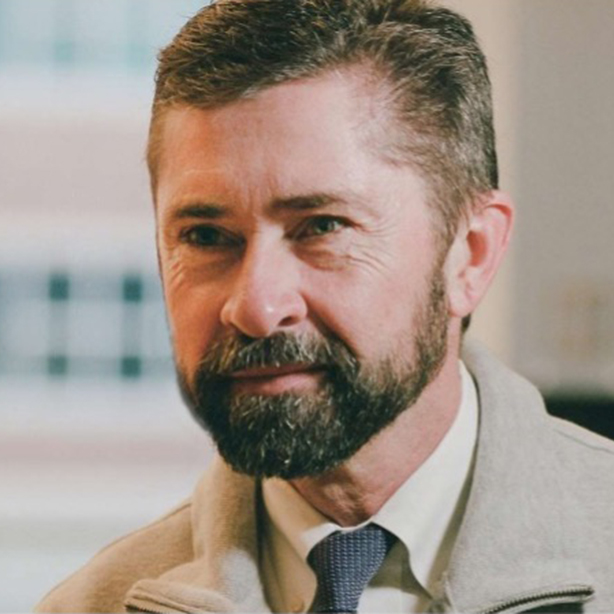
David Nelson, PHD
Faculty
My background and breadth of experience are well-suited to serve the needs of this addiction medicine fellowship. I have experience working with communities throughout the country. I have worked on several federal, state, and local funding projects as a principal investigator or co-principal investigator. All the projects have allowed me to work deeply with the community in partnership throughout my career. My current role as a professor at the Medical College of Wisconsin follows years of working on the community side of health issues. Supporting community health with a critical access hospital, serving as a local elected official, and developing nonprofits that connect with the community. My experiences and background give me a more complete picture of community health than any sector alone.
Thus far, I have gained nearly $6 million in grant support for uninsured and underinsured health, substance abuse and underage drinking, physical activity, nutrition, diabetes, academic enhancement, cancer education, childhood obesity, and multiple chronic diseases. Early childhood or young adult trauma has been at the foundation of many of these issues. In addition, all the funding received has connected with the community and learners in medicine and public health.
Much of my career and life have been dedicated to education. From early childhood through postgraduate, education and mentorship are a part of my core. I am the program director for the MPH/DrPH program at the Medical College of Wisconsin. The DrPH program began with an idea; currently, 40 students with diverse identities and backgrounds are part of the program. Each person is dedicated to working on health issues important to the community.
In addition to holding two terms of elected office, I have built a base of knowledge through spending time engaging communities of color. Over 13,000 hours of outreach were completed in the past ten years to understand issues related to the community. Some are in research activities, and some are spent conducting outreach to individuals presently or at risk for homelessness. Many of those hours were spent having trainees ride along to build their capacity.
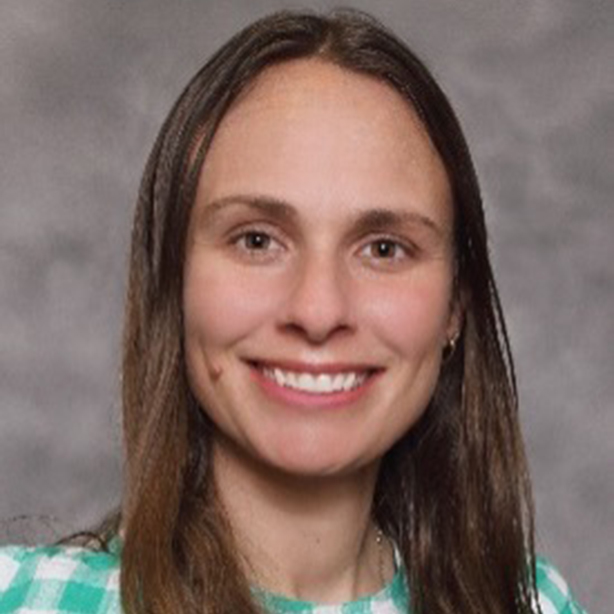
Lizzie Hovis, MD
Faculty
Elizabeth Maxwell Hovis is an Assistant Professor of Psychiatry at the Medical College of Wisconsin where she specializes in perinatal psychiatry and co-leads a multidisciplinary perinatal substance use clinic. In addition to her clinical roles, Dr. Hovis is a staff psychiatrist with The Periscope Project, Wisconsin’s perinatal psychiatry access program, and is a faculty expert with The Wisconsin Perinatal Quality Collaborative’s Maternal Substance Use Initiative. Further work related to the management of substance use disorders includes training in and utilization of Motivational Interviewing; this includes but is not limited to her authorship of a chapter in the most recent edition of Motivational Interviewing: A Guide for Medical Trainees. She has presented locally, regionally and nationally on the assessment and management of perinatal mood, anxiety, and substance use disorders.