
FROEDTERT & MCW C.A.R.E. Addiction Medicine Fellowship Program
The mission of the CARE Fellowship is to combat the drug overdose crisis by training a new generation of addiction medicine specialists. We aim to create addiction medicine generalists that treat substance use disorders while also comprehensively addressing any medical, psychiatric, chronic pain, infectious disease, or prenatal care concerns. We are committed to providing comprehensive, evidence-based care that addresses the unique needs of people who use drugs (PWUD), particularly in the city’s most disadvantaged communities. Through clinical excellence, community partnerships, and holistic, patient-centered approaches, our fellowship aims to reduce overdose mortality, improve health outcomes, and advance health equity.
Our vision is to create a healthier Milwaukee where individuals affected by substance use disorders receive compassionate, effective, and equitable care. We strive to be a leader in addiction medicine education and practice, producing experts who will innovate and transform the field. By fostering strong community collaborations and training empathetic, skilled clinicians, we aim to build a sustainable model of addiction care that can be replicated in other communities facing similar challenges.
Applications will be accepted November 1st-November 17th, 2025 (5 p.m. E.T).
FELLOWSHIP BACKGROUND
In 2022 there were 5585 recorded nonfatal drug overdoses in Milwaukee County and 655 fatal overdose deaths. The crisis of overdose deaths has intensified annually, almost doubling from 2018. In the last five years, 2583 people died from drug overdose in Milwaukee. Despite the worsening public health crisis, there is still a significant shortage of primary care or addiction medicine clinicians that are regularly prescribing highly effective Medications for Opioid Use Disorder treatment (MOUD). Only 18% of patients with opioid use disorder are receiving first-line, evidence-based lifesaving treatment with medications, a proportion that has remained unchanged for the past decade. Through the support of the Advancing a Healthier Wisconsin Endowment, the Department of Family and Community Medicine at the Medical College of Wisconsin, and our community partners, this Fellowship was created to address the crisis in our community..
FELLOWSHIP DIRECTOR’S WELCOME
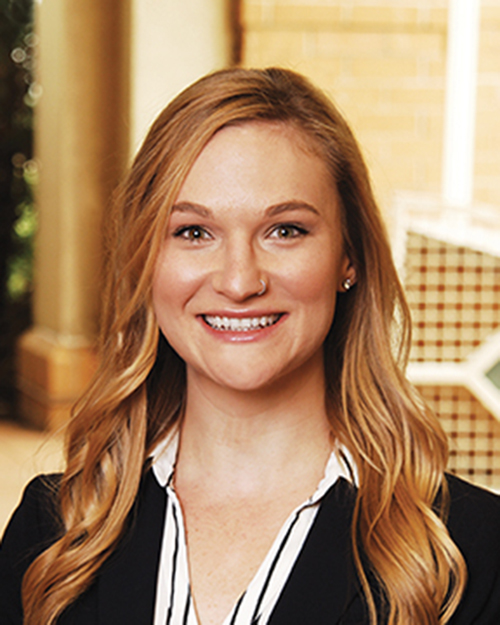
Hello! As Fellowship Director of the CARE program, I’m happy to welcome you to the online home of our Addiction Medicine Fellowship Program. Our team has created an innovative 12-month training program that will provide fellows with a truly comprehensive overview of the field of addiction medicine. The overall goal of our program is to create leaders in Addiction Medicine that are equipped to provide comprehensive care for an incredibly vulnerable and often overlooked patient population that is currently dying at unprecedented rates both locally and nationally.
CARE stands for Comprehensive Assistance, Recovery, and Empowerment. We chose this as the name for our Addiction Medicine Fellowship to highlight that we are NOT just training fellows who can prescribe Methadone, Naltrexone, and Buprenorphine. You don’t need fellowship training for that! Attending a brief CME course or reading a few articles can teach you how to prescribe these relatively simple and safe medications for opioid use disorder.
Our CARE fellowship aims to address ALL the needs of people who use drugs. Fellows who train in our program can expect to provide excellent primary care services alongside our addiction medicine care. Our fellows will treat mental health conditions like post-traumatic stress disorder, bipolar disorder, panic disorder, and depression, which too often are comorbid with addiction. Our fellows will treat and prevent HIV and Hepatitis C because our community needs this help. Fellows will also work within multidisciplinary teams to care for pregnant people who are living with addiction. Fellows will learn to treat chronic pain, carefully balancing the risks of chronic opioid therapies with other effective treatments. Most importantly, fellows will learn to perform “social biopsies” on our patients, identifying and addressing the social determinants of health that often fuel addiction and impede recovery. Our program aims to be a “one-stop shop” for people who use drugs, but we also have all the excellent resources of a large academic medical center at our disposal to get patients with complex illnesses the care they deserve.
The CARE fellowship will also stress medical education. Fellows in our program will provide addiction medicine mentorship to many residents and medical students in our large academic medical center. We expect that graduates of our program will have the education skills necessary to lead large systemic addiction medicine interventions. We will teach you how to teach!
If all that sounds good to you, I invite you to reach out and learn more! We’re looking for like-minded docs who want to strive to provide excellent comprehensive care to the people who need it most.
Elizabeth Masterson, MD
Program Director, F & MCW C.A.R.E. FELLOWSHIP Addiction Medicine Fellowship Program
Faculty, Department of Family & Community Medicine, Medical College of Wisconsin
PROGRAM DIRECTOR’S WELCOME
CARE stands for Comprehensive Assistance, Recovery, and Empowerment. We chose this as the name for our Addiction Medicine Fellowship to highlight that we are NOT just training fellows who can prescribe Methadone, Naltrexone, and Buprenorphine. You don’t need fellowship training for that! Attending a brief CME course or reading a few articles can teach you how to prescribe these relatively simple and safe medications for opioid use disorder.
Our CARE fellowship aims to address ALL the needs of people who use drugs. Fellows that train in our program can expect to provide excellent primary care services alongside our addiction medicine care. Our fellows will treat mental health conditions like post-traumatic stress disorder, bipolar disorder, panic disorder, and depression that too often are co-morbid with addiction. Our fellows will treat and prevent HIV and Hepatitis C because our community needs this help. Fellows will also work within multidisciplinary teams to care for pregnant people who are living with addiction. Fellows will learn to treat chronic pain, carefully balancing the risks of chronic opioid therapies with other effective treatments. Most importantly, fellows will learn to perform “social biopsies” on our patients, identifying and addressing the social determinants of health that often fuel addiction and impede recovery. Our program aims to be a “one-stop shop” for people who use drugs but we also have all the excellent resources of a large academic medical center at our disposal to get patients with complex illnesses the care they deserve.
The CARE fellowship will also stress medical education. Fellows in our program will provide addiction medicine mentorship to many residents and medical students in our large academic medical center. We expect that graduates of our program will have the education skills necessary to lead large systemic addiction medicine interventions. We will teach you how to teach!
If all that sounds good to you, I invite you to reach out and learn more! We’re looking for like-minded docs who want to strive to provide excellent comprehensive care to the people who need it most.
Elizabeth Masterson, MD
Program Director, F & MCW C.A.R.E. FELLOWSHIP Addiction Medicine Fellowship Program
Faculty, Department of Family & Community Medicine, Medical College of Wisconsin